2a. What is Coal?
Coal is a brownish-black or black sedimentary rock with a high amount of carbon. It is considered a nonrenewable energy source because it takes millions of years to form. Coal’s energy comes from plants that lived hundreds of millions of years ago in swampy forests. Layers of dirt and rock covered the plants over time, creating enormous pressure and heat. The combination of heat, pressure and time led to the formation of coal.
Click or tap the tabs to learn about each type of coal.
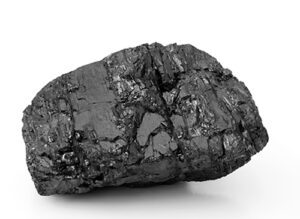
Anthracite is a dark black form of coal and contains 86–97% carbon. It is the oldest type of coal, taking 350 million years to form. It has the highest heating value of all coal ranks. Anthracite accounts for less than 1% of the coal mined in the United States and is only mined in northeastern Pennsylvania. Most of the anthracite mined is used in the metals industry.

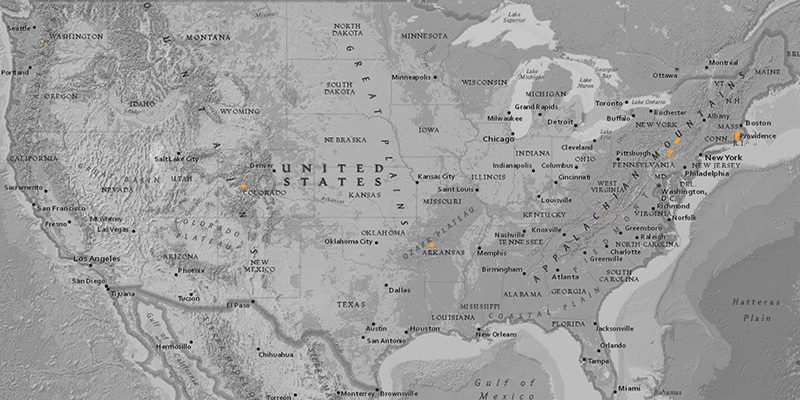
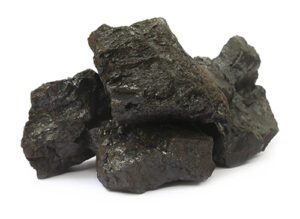
Bituminous coal contains 45–86% carbon. Bituminous coal in the United States is between 100 million and 300 million years old. Most of the coal found in the United States is bituminous coal. It accounts for 44% of all U.S. coal production. Bituminous coal is used to generate electricity and is an important fuel and raw material for making coking coal for use in the iron and steel industry.
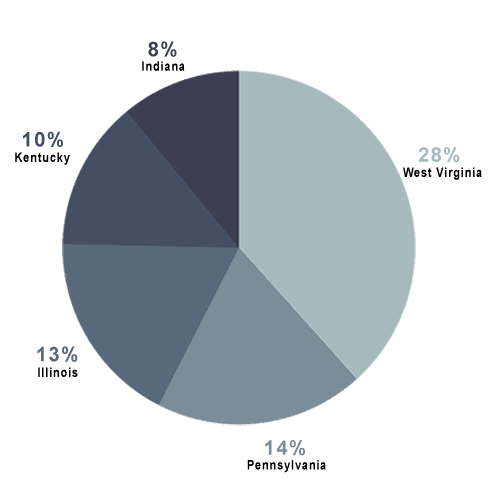
Bituminous coal was produced in at least 18 states in 2020, but five states accounted for about 74% of total bituminous production. The pie chart below shows coal production by state.
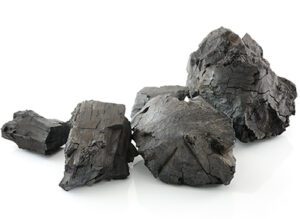
Subbituminous coal is a dull, black form of coal and typically contains 35-45% carbon. Most subbituminous coal in the United States is at least 250 million years old. In the United States, about half of the coal mined is sub bituminous and is mostly mined in Wyoming. The majority of this type of coal is used for electrical generation.

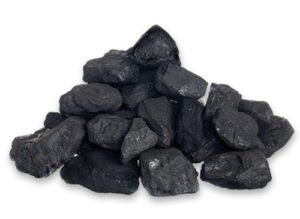
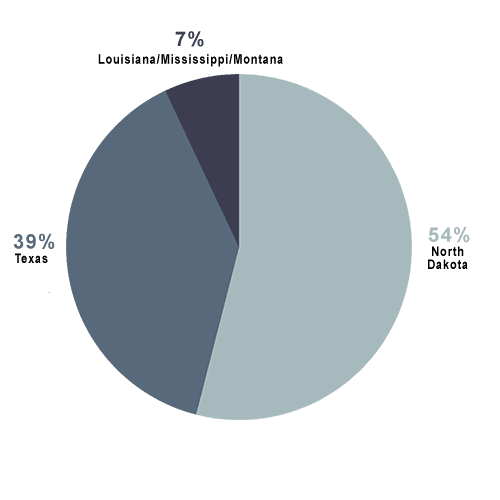
Lignite contains 25-35% carbon. It has the lowest energy content of all coal ranks, crumbles easily and has a high moisture content. Lignite coal deposits are relatively young and were not subjected to extreme heat or pressure. Those factors contribute to its low heating value. It is mostly used to generate electricity. The Great Plains Synfuels Plant near Beulah, North Dakota converts lignite to synthetic natural gas that natural gas pipelines send to consumers in the eastern United States.
The majority of lignite mining occurs in North Dakota. The pie chart below shows production by state.