
From Mining to Reclamation
As you saw in the video, mining companies must fully reclaim mined lands. Once an area with coal is identified, the mining and reclamation process follows the 6 steps in the images below.
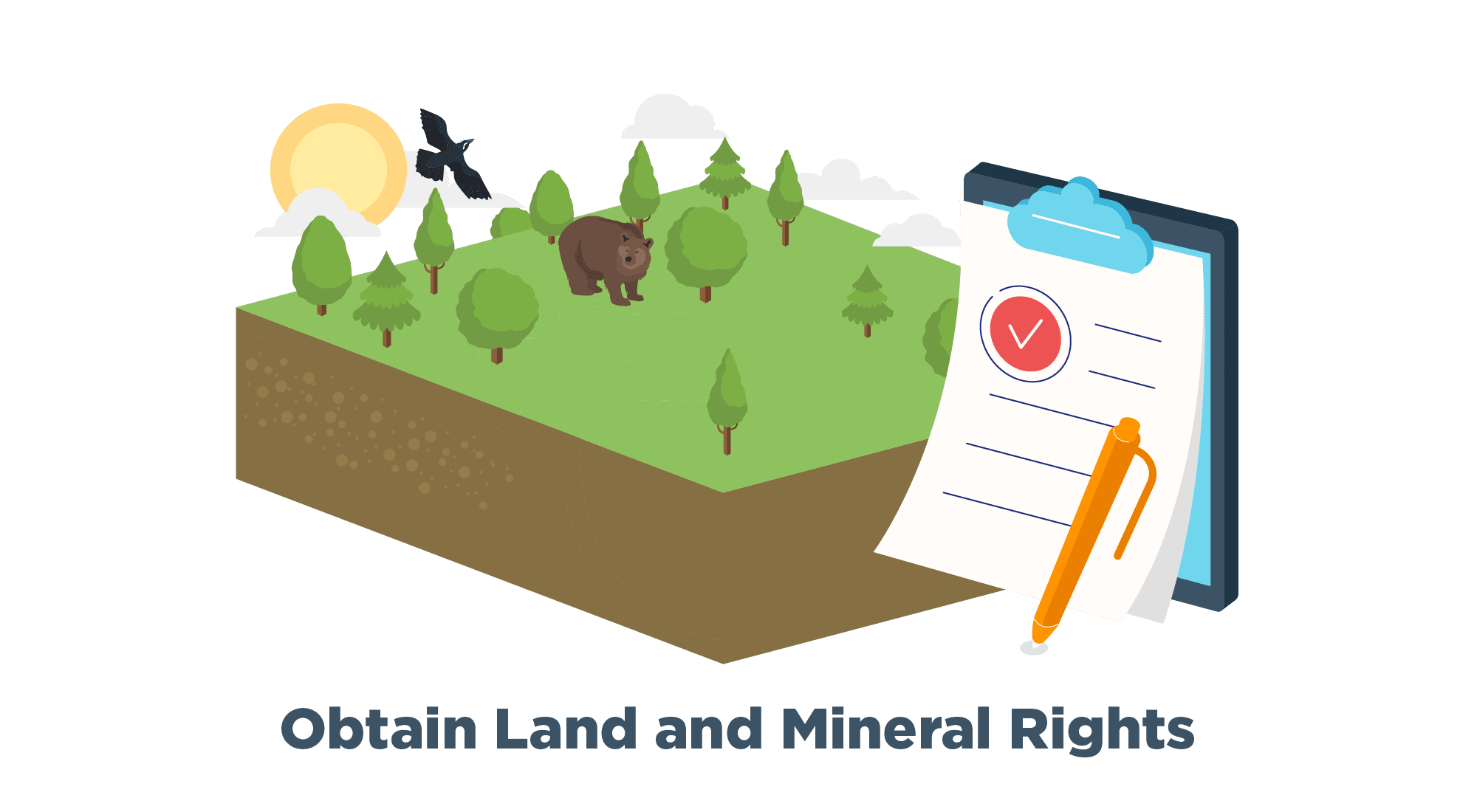
1. Obtain Land and Mineral Rights
First, the company obtains the land and mineral rights of the property they plan to mine. They also collect environmental information for the land, such as the locations and types of plants, animals, soil, and wetlandsA dark-brown or black structureless groundmass produced by the partial decomposition and disintegration of plant material in a marsh or... Read More.
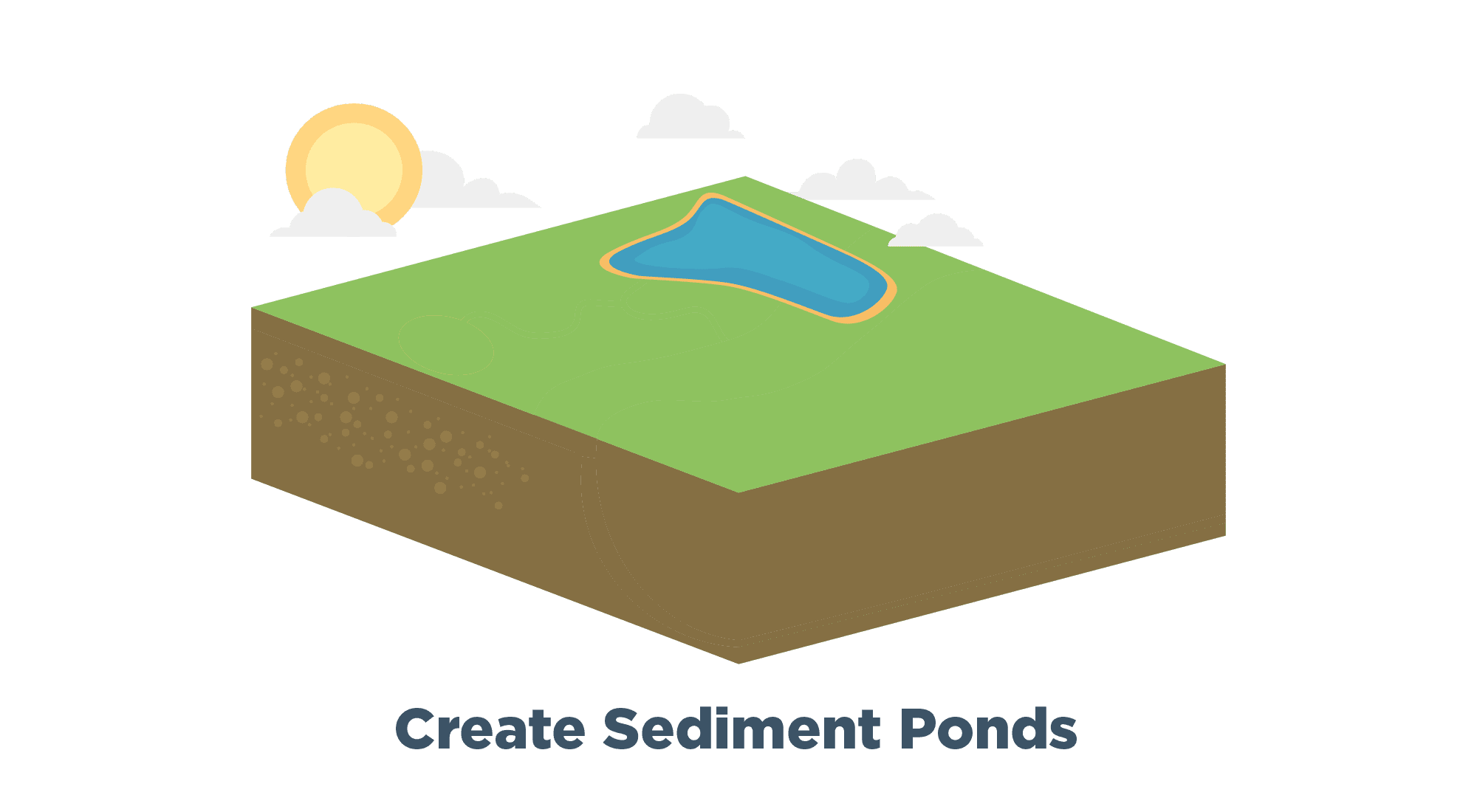
2. Create sediment ponds
Next, the mining company creates sediment ponds for water to safely drain. Water from the mining site will be collected in the pond and the sediment will sink to the bottom before the water is drained away.
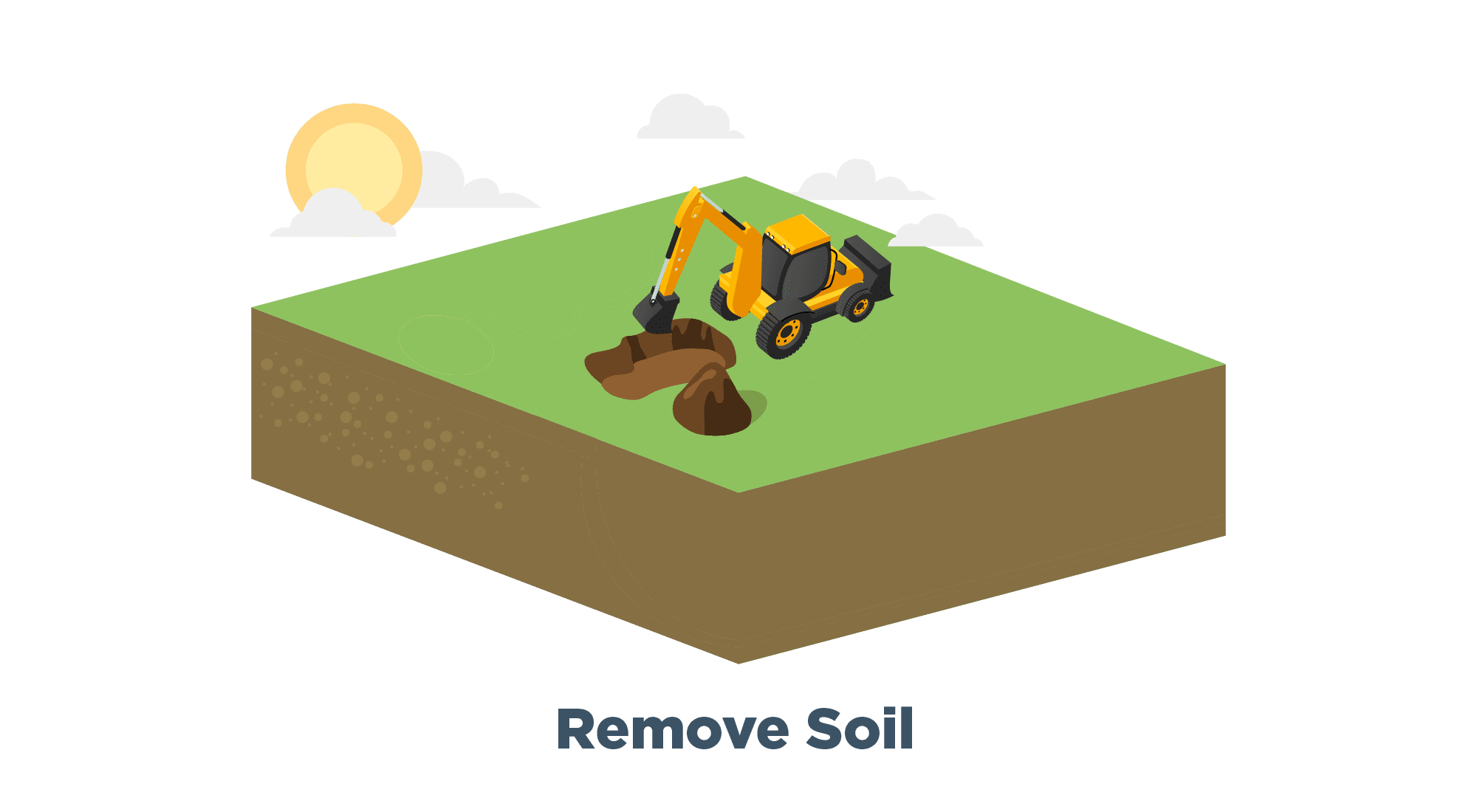
3. Remove soil
After the sediment ponds are dug, the next step is to remove the layers of soil. This soil is either saved for reclamation or saved for another mining site.
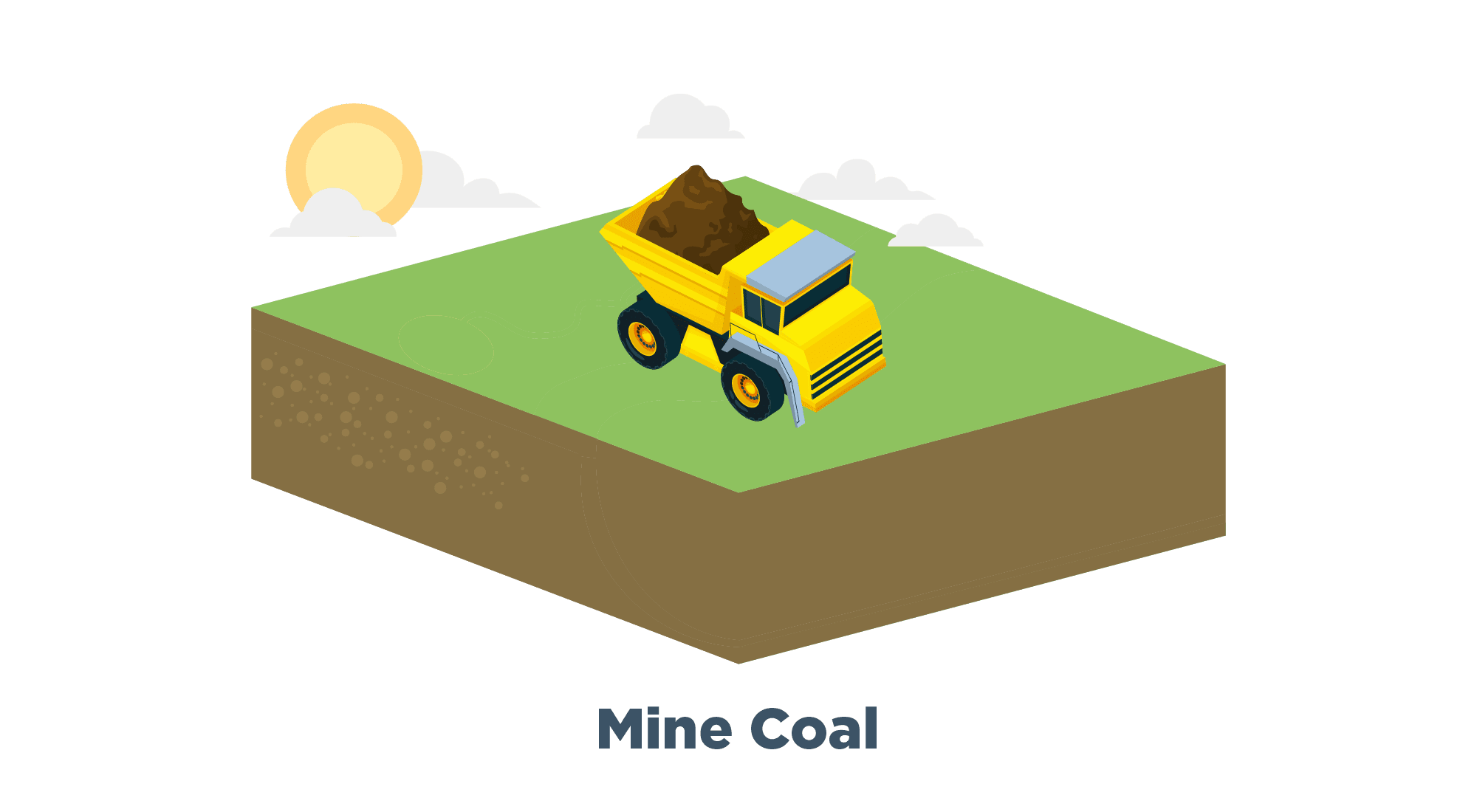
4. Mine coal
Once the soil is removed, heavy equipment such as draglines and excavators are brought in to remove the overburdenAll of the earth and other materials, except SPGM, which lie above the lignite. After overburden is moved it is... Read More. When the coala dark brown to black combustible rock of organic origin formed over millions of years by the partial decomposition of... Read More seam is uncovered, it is loaded into trucks and hauled to the customer.
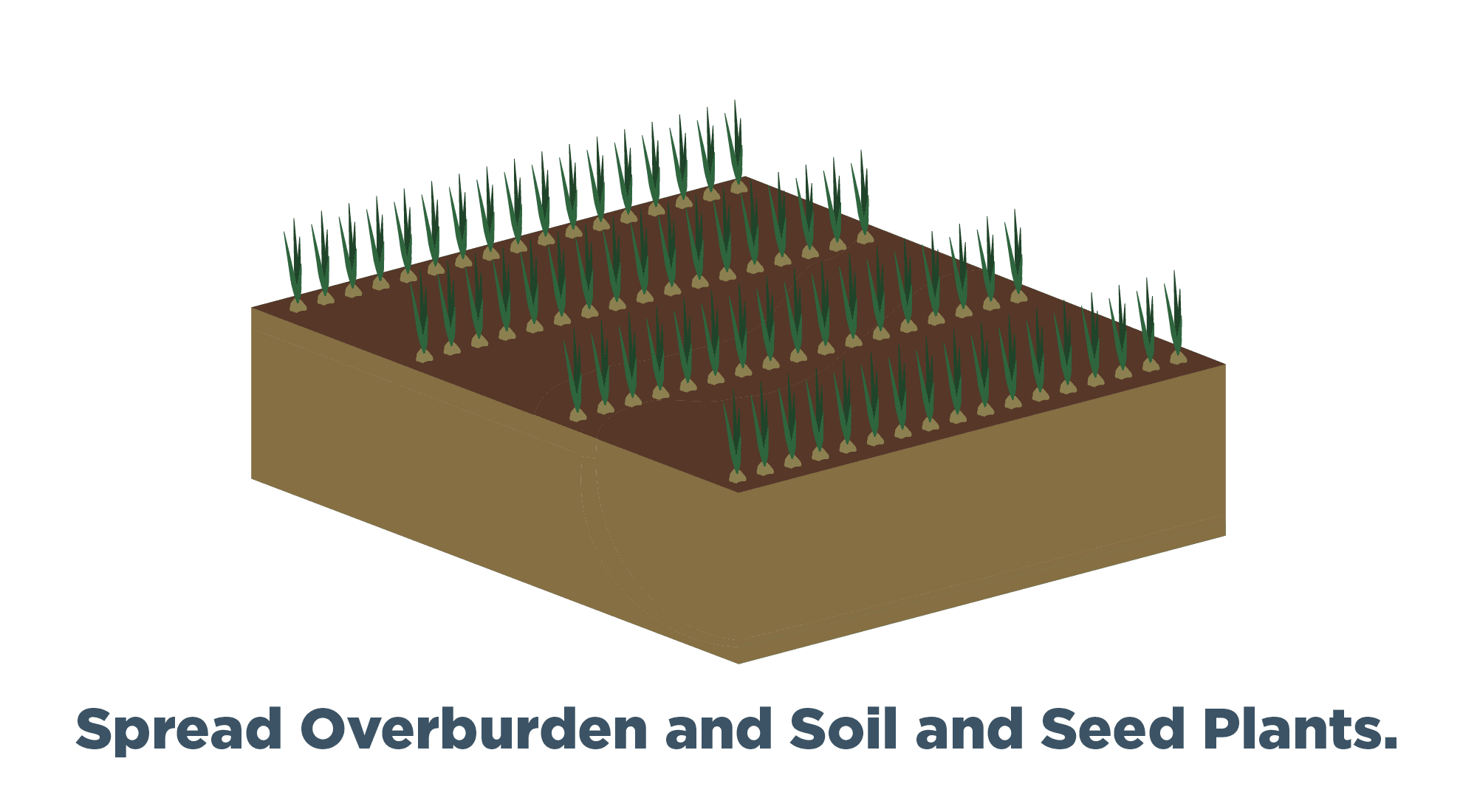
5. Spread overburden and soil and seed plants
After the coal is removed, the reclamation process begins. The overburden is added back and shaped back into the hills and low areas to match the original landscape. The soil is spread on top and large rocks are removed. The soil is seeded with crops or native grasses.
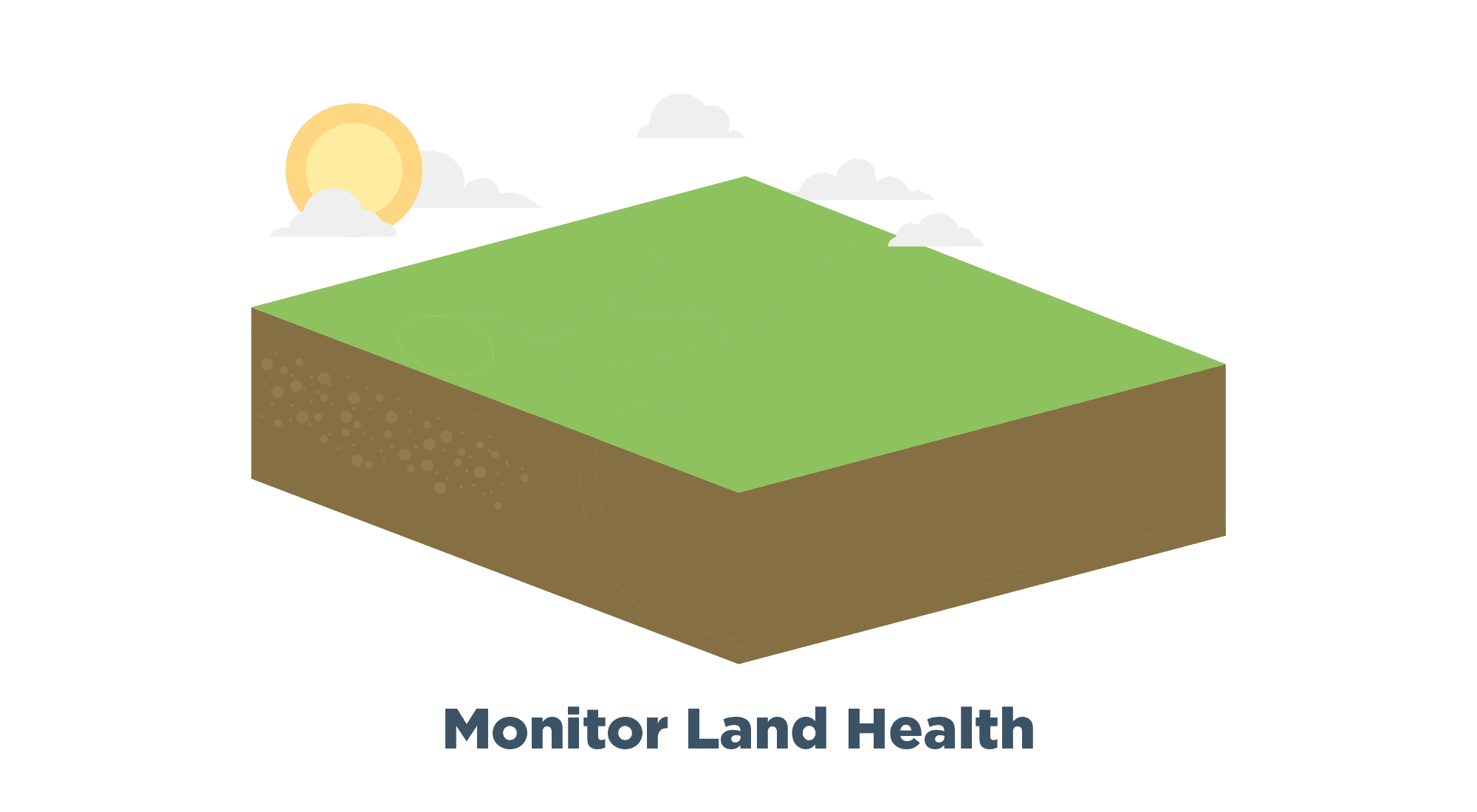
6. Monitor land health
For the next 10 years the mining company monitors the land to make the land is as good or better than before.